
5 years of spine care in urban Botswana: Respite and Inspiration
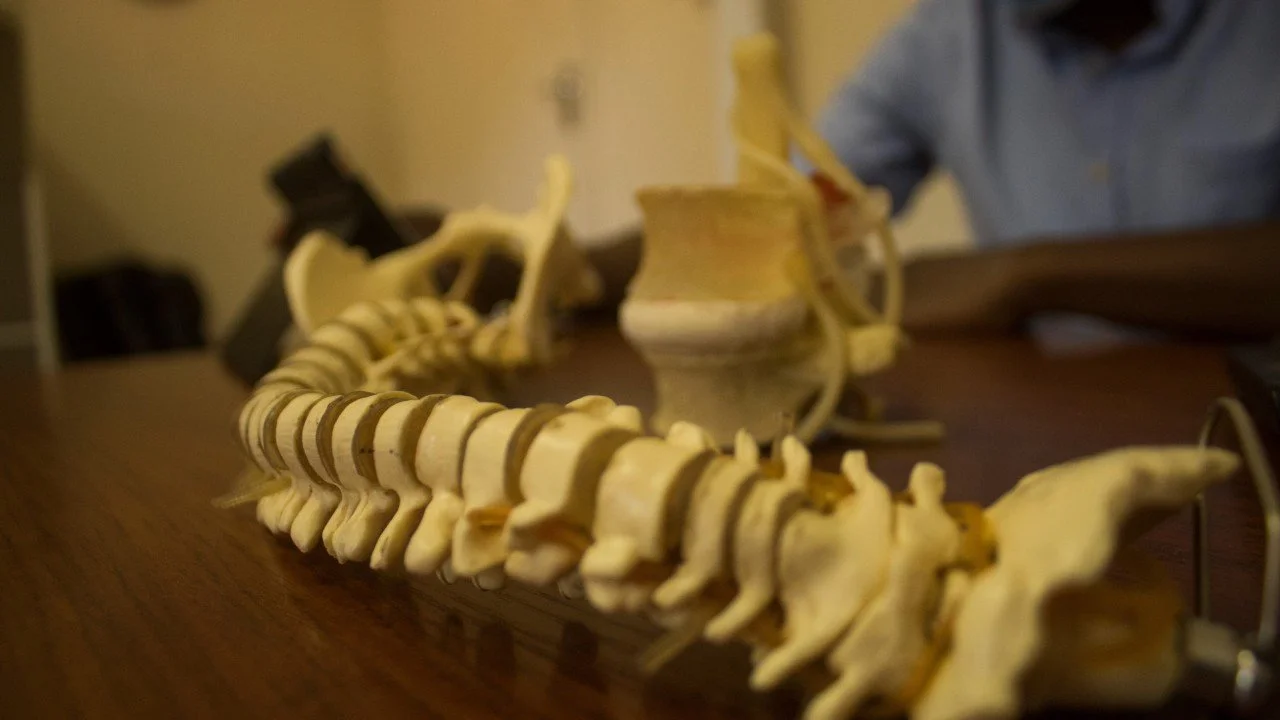
In March 2021, World Spine Care launched the Broadhurst 3 (known as BH3) clinic in Gaborone. The clinic is located right in the heart of the city near a busy bus rank and shopping complex in a low-income neighbourhood. Many of the patients who visit the clinic are from the surrounding area, though some come from as far as 500 km away for spine care.
The BH3 spine unit serves a wide range of people in the city. Situated within a public facility, patients do not pay for services, removing the financial barrier to care. The clinical space is provided by the local government, and administrative costs are paid for by the Bloch Family Trust. This unique setup channels global funding directly into a local project, allowing the BH3 spine unit to provide quality rehabilitation services at the primary care level.
When the BH3 spine unit started, the city was in the height of the COVID-19 pandemic, grappling with repeated outbreaks and new variants on a regular basis. While there was a strong focus on managing COVID-19, with testing being a major service offered at BH3, many patients still came to the clinic with other needs, including spine-related disorders. This shows how significant the burden of musculoskeletal disorders is because they persisted despite an active pandemic, and some data suggest they were even exacerbated by the pandemic. Even in communities where infectious diseases run rampant, the need for care for non-communicable diseases remains.
Championed by a small team, and well over 10,000 patient visits later, the BH3 spine unit has contributed to alleviating the musculoskeletal disease burden in Gaborone. Some of the common conditions treated at this facility include lower back pain, knee pain, arthritis, and a variety of other musculoskeletal conditions ranging from sports injuries to neurological disorders. While these conditions are common, each patient comes to the clinic with their unique socioeconomic background, where, for example, a case of persistent lower back pain can limit a breadwinner’s ability to keep a family out of poverty.
Onkabetse Mothomme started working with the BH3 spine unit from day one as a volunteer with a compassionate heart and a quick mind. Since then, she has advanced and become a health care auxiliary after completing her studies at Boitekanelo College. Her skill set has evolved from administrative tasks and serving as a translator to now being a clinic manager who coordinates relationships with the local government. She facilitates patient care and has become a champion for mental health with patients. Onkabetse is currently pursuing further study in rehabilitation counselling.
Dr Mufudzi Chihambakwe is the resident clinician at the BH3 spine unit, providing chiropractic care and leadership to the national WSC program. In the period since the clinic started, he has conducted research that has put a spotlight on the manner in which patients in Botswana describe the care they receive. One key finding from the research was the term ‘tshidilo’, which is a word in Setswana (the language of Botswana) that directly translates to the use of physical touch as a means of healing. Furthermore, tshidilo also describes rehabilitation of the unwell and restoration of function physically, spiritually, and psychologically, resisting a reductionist view of health. This elevates the priority of patient perspectives on the healing process and how African insights can influence clinical thought. He is now doing further research exploring the relationship between spine-related disorders, depression, and poverty in Botswana.
The spine care unit has also sought ways to provide care for patients beyond the clinical hands-on treatments they receive within the four walls of the clinic. A weekly spine-focused exercise program was launched in partnership with Gaborone City Council. The exercise classes occur weekly with people of all ages and varying levels of mobility. The classes have been largely made possible by the support of the larger WSC team in Mahalapye, Mr Kabelo Sebati and Dr Michael Pretorius, who drive 200 km to come and offer the exercise class for our patients. A number of patients who attend this class have described a reduced need for clinic visits and a stronger sense of agency about their condition.
The BH3 spine unit is blessed to enjoy the support from friends and supporters regionally and abroad. Work about the BH3 project has been presented at conferences in Botswana, South Africa, Ethiopia, Switzerland, Denmark, and Australia, telling the unique story of setting up the spine unit in a public clinical setting. The project has shown the world what evidence-based rehabilitation services look like in underserved communities: engaged, culturally sensitive, and open to diverse understandings of musculoskeletal health.
Reflecting on the last five years, it is clear that the BH3 spine unit has become a place of respite for patients and a site of inspiration for clinicians. The burden of spine-related disorders is significant and needs to be addressed. There are not enough facilities in the public sector in the city that offer rehabilitation services. Clinical services alone are not enough—community engagement and patient empowerment are key. The spine unit embodies an impulse that, in the words of social innovation thinker Unger, “signals to a wider social change while meeting a pressing need.” The wider social change that is needed is more public health care facilities in Southern Africa with rehabilitation services. The most potent way of advocating for that change is by providing reliable, evidence-based care to a community with pressing needs. It is not enough to simply talk about disease—it is important to act. We plan to continue providing quality, targeted evidence-based care and expand services to meet the demand. Our aim is to inspire clinicians to find intelligent and compassionate solutions for the people who need it most.